Pulse Voice AI: Scaling Enterprise Outreach with Autonomous Voice Infrastructure
 0|
0| 0
0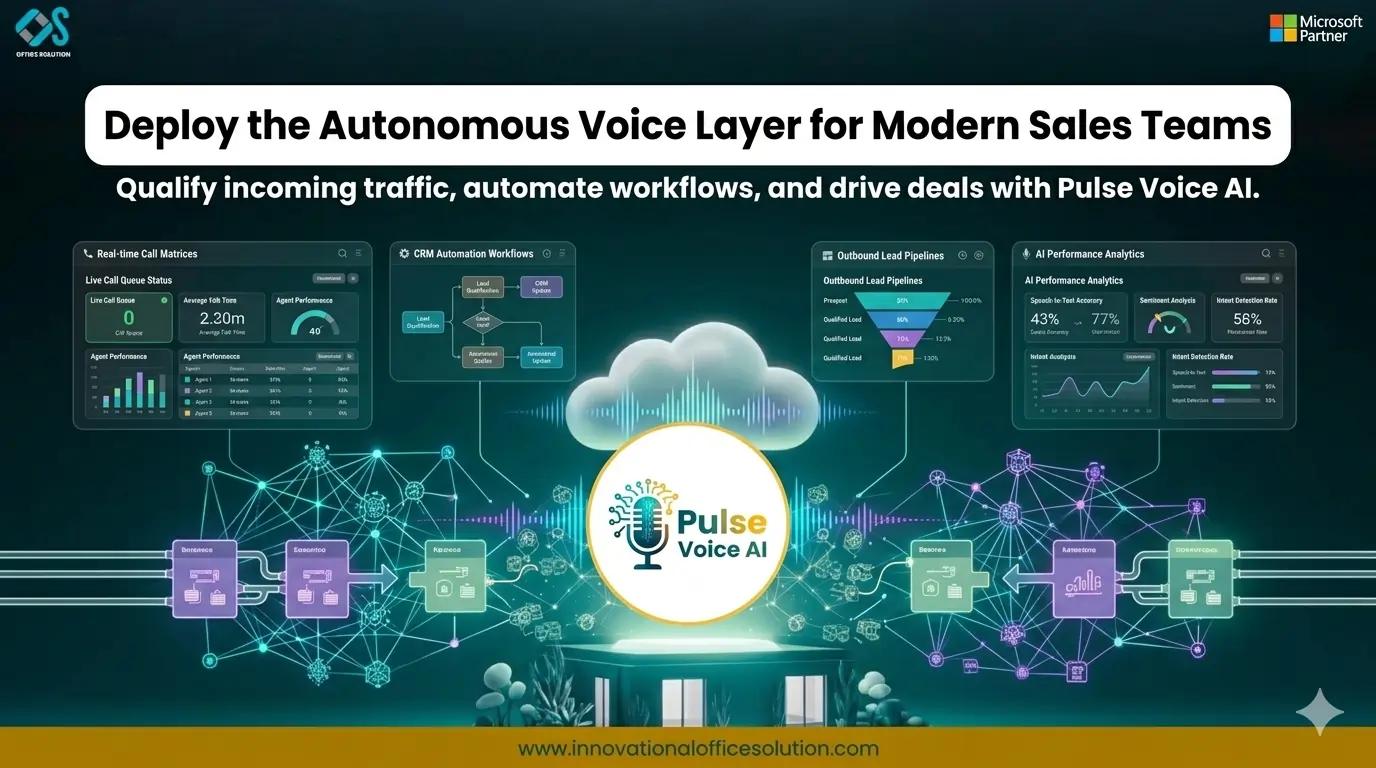
Table of Contents
Pulse Voice AI: Scaling Enterprise Outreach with Autonomous Voice Infrastructure
Modern B2B enterprise sales organizations face a critical bottleneck: revenue leakage caused by delayed follow-ups and manual prospecting loops. While high-intent prospects wait hours—or even days—for a response, their conversion probability drops precipitously. Traditional outbound dialing architectures rely heavily on human representatives navigating voicemails, gatekeepers, and tedious administrative data entry, restricting active selling time to a fraction of the workday.
To bridge this operational gap, enterprise revenue teams are shifting toward automated, voice-driven execution layers. Implementing Pulse Voice AI establishes a high-fidelity, low-latency framework that operates continuously, eliminating top-of-funnel delays and enabling consistent market penetration. By managing repetitive prospecting and qualification protocols, this technology allows human sales representatives to focus exclusively on final contract negotiations and strategic relationship management.
Overcoming Top-of-Funnel Roadblocks in Outbound Sales
Cold calling and market expansion initiatives depend entirely on consistency, volume, and conversational precision. Human inside sales teams face significant logistical limits, as a major portion of their daily routine is spent on manual dialing and filtering out dead numbers or automated gatekeepers. This linear approach restricts the total market touchpoints an enterprise can achieve within a given quarter, leading to missed opportunities and stagnant pipelines.
Deploying an AI voice agent for outbound sales cold calling solves this capacity constraint. These systems run hundreds of concurrent call streams simultaneously, filtering out unanswered lines and instantly connecting with active decision-makers. When a conversation begins, the agent communicates with natural cadence and tone, delivering precise value propositions without fatigue or human error. This systematic outreach expands pipeline volume and establishes a reliable foundation for business development.
Maximizing Calendar Density with Conversational Scheduling
The administrative friction of booking discovery calls and alignment meetings often stalls early-stage deals. Back-and-forth email chains regarding calendar availability allow prospect momentum to cool, which directly increases pipeline drop-off rates.
Utilizing a conversational ai voice agent for appointment setting removes this friction by embedding scheduling actions directly into live discussions. The agent cross-references prospect verification with sales calendar availability in real time, locking in dedicated meeting slots before the call concludes. This immediate transition from qualification to scheduling increases overall calendar density and maintains a steady flow of high-intent opportunities for closing teams. To explore further strategic context regarding enterprise outreach, consider reviewing scale enterprise outreach with ai and voice talent.
Scaling Real Estate Lead Generation Architecture
Real estate brokerages, investment firms, and property development groups manage high-volume databases that require continuous contact to identify motivated sellers or qualified buyers. Human teams often struggle to nurture these massive databases consistently, resulting in lost market share and missed opportunities.
Implementing an ai voice agent for real estate lead generation allows firms to automate property data verification, geographic cold prospecting, and preliminary interest checks at scale. The platform handles initial outbound campaigns across large registries, filtering out uninterested contacts and passing verified, high-intent property leads directly to local brokers. This specialized application keeps production pipelines filled without expanding overhead.
Building Resilient Operations via Custom Voice Development
Generic conversational software often lacks the precise domain context, industry vocabulary, and deep software integrations required to handle complex enterprise sales workflows. Off-the-shelf voice applications frequently fail when confronted with specialized business logic or specific customer relationship management (CRM) custom fields.
Investing in custom sales ai voice agent development services ensures the voice infrastructure aligns with your specific operational architecture. Tailored development integrates the voice layer directly with your existing tech stack through secure APIs. This alignment allows the agent to pull historical account notes, handle complex pricing models, and execute automated post-call data logging directly into your systems, creating a seamless experience across all touchpoints. For a comprehensive look at how these frameworks function, see ai voice agents for b2b sales pulse voice ai.
Enhancing Enterprise Revenue Operations
Corporate procurement environments involve multiple decision-makers, strict compliance requirements, and extended evaluation periods. To support these operations, sales teams require systems that can handle large data volumes without sacrificing conversation quality or operational security.
A dedicated b2b outbound ai calling platform for sales teams provides the structural framework necessary to manage complex, multi-stakeholder accounts. The platform uses previous transaction histories and CRM records to personalize active discussions. By addressing common objections with approved, context-specific responses, the software helps move accounts through the sales pipeline efficiently while maintaining strict corporate branding standards across every interaction.
Automating Downstream Sales Workflows and Deal Closures
Mid-funnel pipeline stagnation frequently occurs when sales representatives prioritize early-stage opportunities over late-stage follow-ups. Neglecting stalled proposals, contract renewals, or pending approvals slows down overall deal velocity and delays revenue realization.
Deploying a targeted ai calling agent to automate deal closure follow ups ensures that late-stage prospects receive consistent, timely attention. The system initiates follow-up calls based on specific pipeline triggers, addressing common buying hurdles, offering approved contract terms, and collecting digital confirmations. For standard transactions or subscription renewals, the platform can manage the entire follow-up loop autonomously, keeping pipelines moving and freeing up human executives for complex negotiations.
Integrating Voice Automation with Omnichannel Campaigns
Modern marketing campaigns achieve the highest conversion rates when they deliver consistent messaging across multiple communication touchpoints. Isolating phone outreach from digital channels reduces overall campaign effectiveness and creates a disjointed experience for prospective buyers.
Positioning the best voice ai for marketing automation campaigns within your broader marketing stack allows you to build true omnichannel workflows. The voice infrastructure coordinates with active email, SMS, and ad programs, triggering immediate outbound phone touches when prospects interact with digital content. This automated multi-channel approach increases conversion consistency and ensures maximum return on your marketing investments.
To integrate autonomous voice infrastructure into your sales organization, contact our platform engineering team to coordinate a technical system blueprint via Contact us.
Frequently Asked Questions (FAQs)
1. How does Pulse Voice AI maintain a natural conversational flow without sounding robotic?
The platform utilizes continuous semantic processing combined with high-fidelity acoustic modeling. Instead of relying on rigid, pre-recorded scripts, the platform analyzes the intent of a user's statement in real time. This allows the system to mirror human conversational dynamics, adjusting its intonation, pacing, and responses dynamically based on context.
2. Can the AI voice agent handle sudden interruptions mid-sentence?
Yes. The infrastructure features real-time, continuous bi-directional audio processing. If a prospect interrupts the agent while it is speaking, the platform immediately pauses its audio output, parses the new incoming sound, interprets the buyer's new intent, and seamlessly updates its response path without structural delays.
3. How does the platform log data and handle post-call CRM administration?
As soon as a telephone call concludes, the system automatically generates a comprehensive text transcription and structural summary. It communicates directly with enterprise CRMs via secure APIs to update lead statuses, log specific qualitative data (such as budget or timeline constraints), and trigger downstream workflow actions without manual human data entry.
4. Is the platform compliant with national and international telephone regulations?
Yes. The voice layer is designed with strict compliance guardrails that adhere to regional telecommunication legal frameworks, including TCPA regulations in the United States and TRAI mandates in India. The system programmatically enforces opt-out requests, handles automated script verification, and records interactions securely within encrypted data pipelines.
5. Can an enterprise use both professional human voice talent and autonomous agents?
Absolutely. Many enterprises employ a hybrid approach where an agency or internal talent records static assets, brand anthems, and corporate marketing videos, while deploying autonomous conversational agents to handle high-volume, interactive outbound cold calling, lead triage, and appointment setting workflows.


