Blogs
27 July 2026 | 13 Min Read |  0 |
0 |  0
0
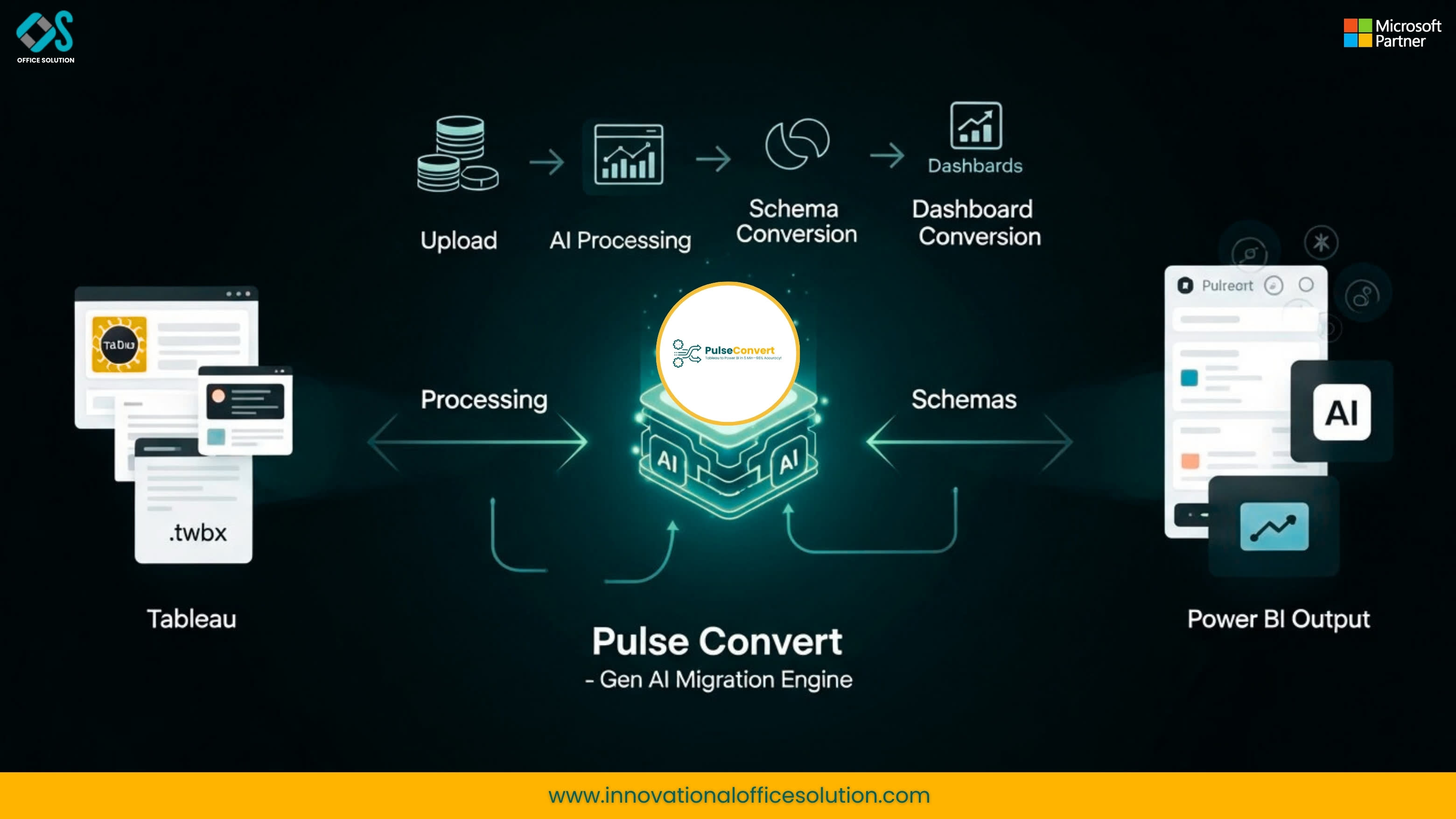
Modern Enterprise Transition Framework: Tableau to Power BI Strategy
Modern corporate decision-making depends on the speed, accessibility, and architectural reliability of business intelligence. Across US enterprise environments targeting Google USA standards, data engineering leadership teams face an imperative: consolidating fragmented reporting architectures into a unified, governed cloud infrastructure.
Read more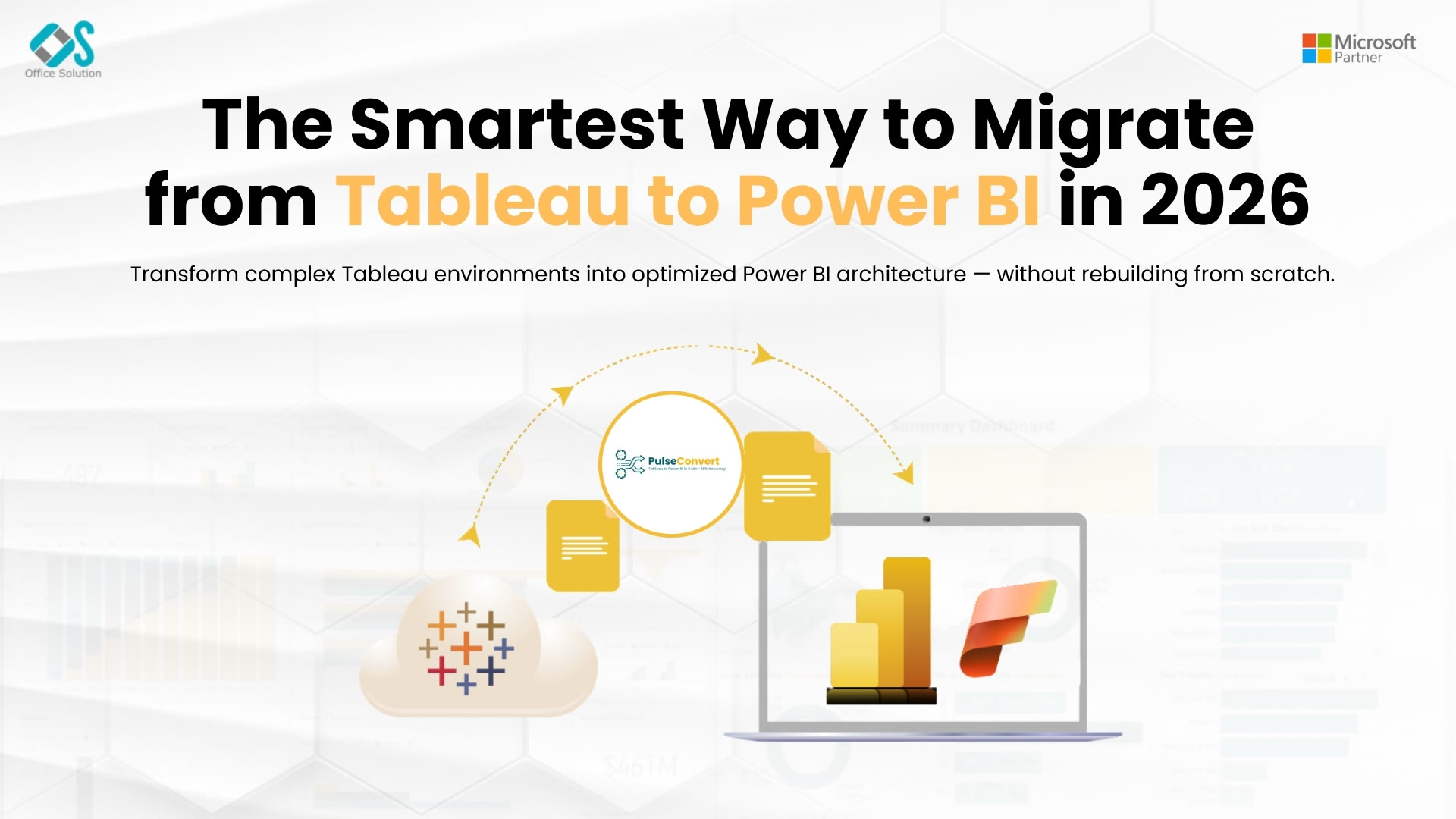
27 July 2026 | 16 Min Read | 0 | 0
Technical Playbook: Tableau to Power BI Automation Framework
Enterprise analytics infrastructure across North American markets is undergoing a massive structural shift. Chief Technology Officers and Principal Data Architects are actively deprecating single-purpose, legacy BI setups in favor of unified cloud ecosystems.
Read more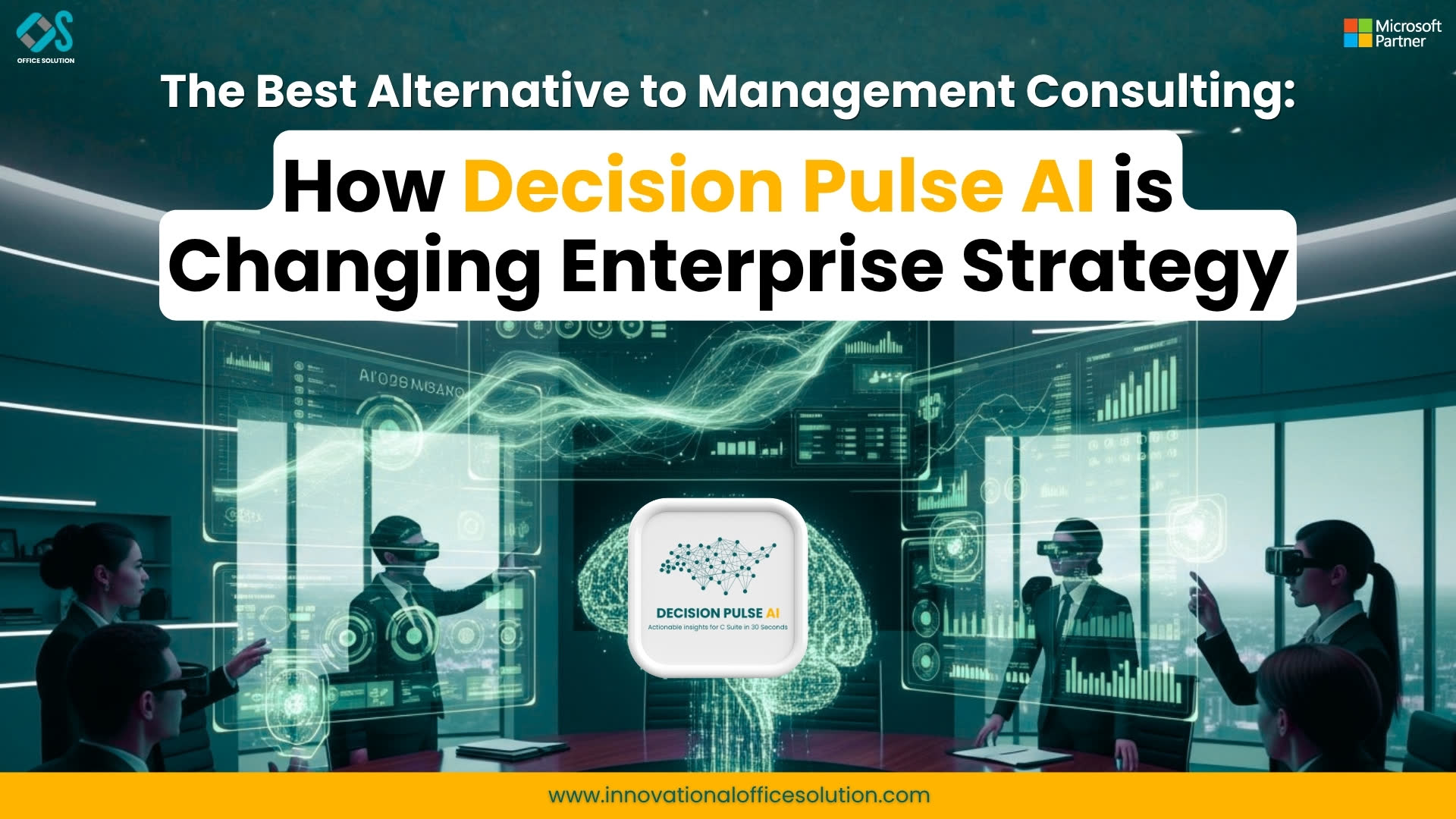
27 July 2026 | 12 Min Read | 0 | 0
AI for C-Suite Decision-Making: Modern Strategic Leadership
For decades, the standard playbook for executive decision-making relied heavily on historical reporting. Every quarter, corporate data engineering teams cleaned fragmented database records, built complex aggregation pipelines, and delivered visual summaries to executive committees. While the resulting charts looked impressive, an uncomfortable reality persisted: static graphs do not execute corporate strategy. By the time a strategic margin compression or supply chain bottleneck reached the C-suite table, market conditions had already shifted.
Read more27 July 2026 | 11 Min Read | 0 | 0
Enterprise Decision Automation Platform: Beyond BI Dashboards
For over two decades, enterprise IT investments have operated under a simple premise: if you provide business teams with more visual charts, better decisions will automatically follow. This belief led to widespread adoption of enterprise data warehouses, expanded data teams, and massive deployments of visual reporting suites.
Read more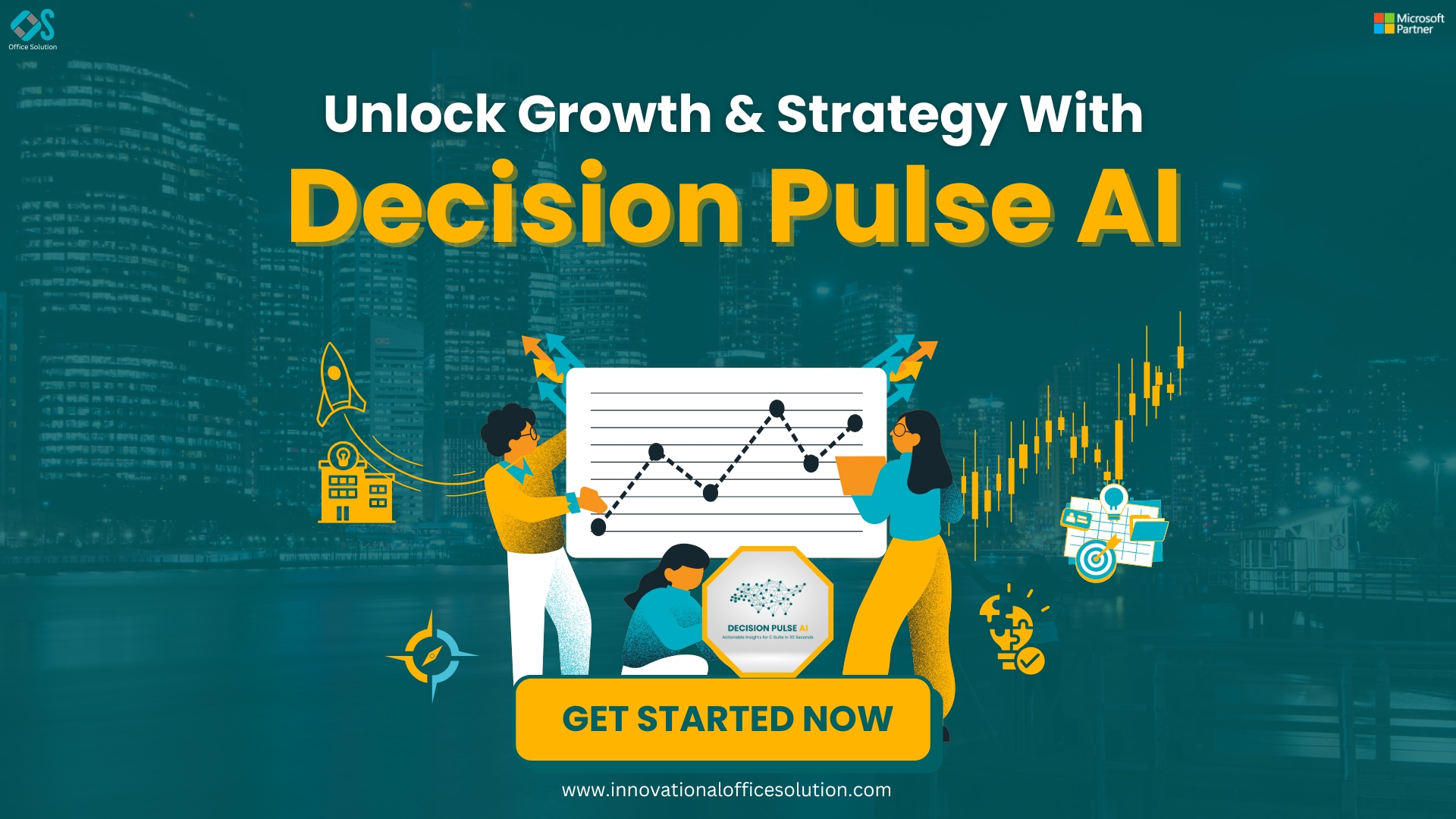
25 July 2026 | 16 Min Read | 0 | 0
AI for C-Suite Decision-Making & Modern Strategic Leadership
Traditional executive dashboards provide historical insights but fail to execute strategic action at the speed modern enterprises demand. An AI decision intelligence platform bridges the gap between insight and execution by combining Generative BI, natural language querying, and Business Intelligence Automation using AI to deliver real-time, autonomous decision support.
Read more25 July 2026 | 16 Min Read | 0 | 0
Enterprise Decision Automation Platform: Beyond BI Dashboards
Traditional business intelligence dashboards provide historical insights but leave organizations struggling to convert data into timely business action. An enterprise decision automation platform combines Generative BI and Business Intelligence Automation using AI to bridge the gap between analytics and autonomous execution, enabling faster, data-driven decision-making.
Read more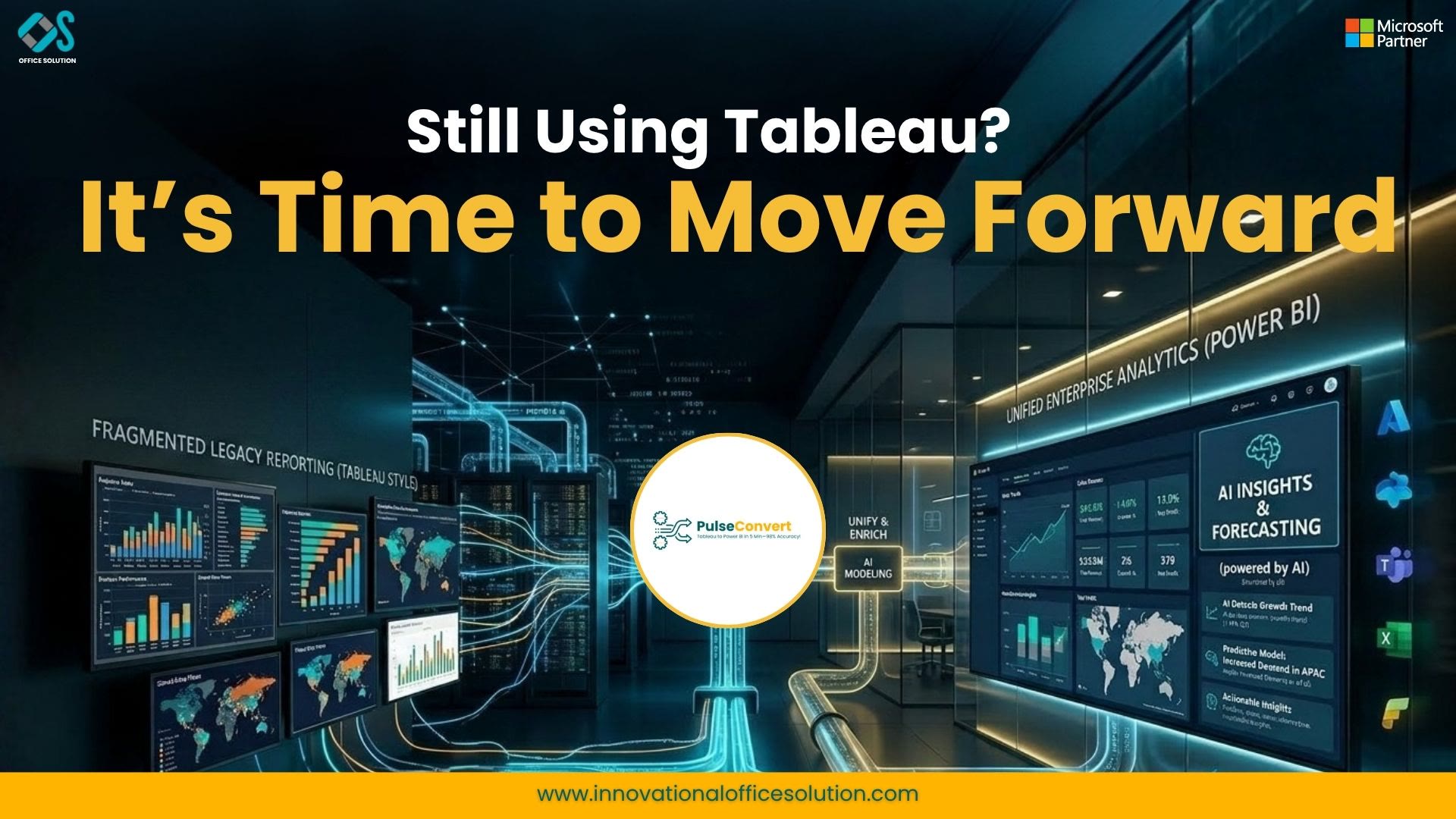
25 July 2026 | 16 Min Read | 0 | 0
Architecting Enterprise BI Velocity: The Complete Blueprint for Automated Dashboard Migration Tableau to Power BI
Enterprise organizations are modernizing their analytics ecosystems by replacing fragmented BI platforms with unified Microsoft-powered environments. AI-driven BI migration tools streamline automated dashboard migration Tableau to Power BI, reducing developer effort, licensing costs, and migration timelines while preserving enterprise-grade governance.
Read more
25 July 2026 | 16 Min Read | 0 | 0
Modernizing Business Intelligence: Strategic Enterprise Tableau to Power BI Guide for High-Growth Organizations
Modern enterprises are consolidating fragmented analytics platforms to improve governance, reduce costs, and standardize reporting. This Tableau to Power BI guide explains how Tableau to Power BI conversion software automates DAX translation, streamlines migration, and modernizes enterprise business intelligence.
Read more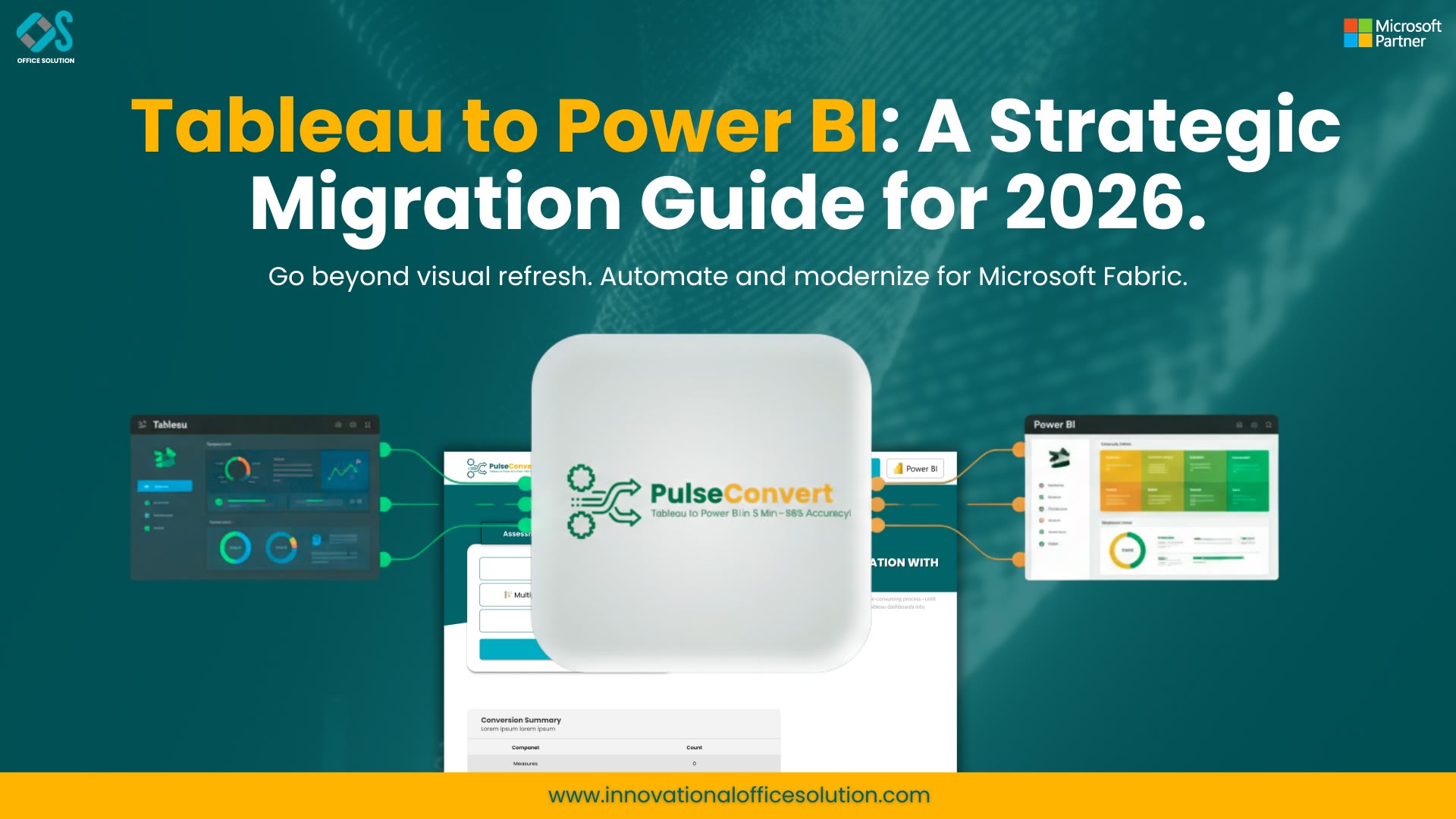
24 July 2026 | 16 Min Read | 0 | 0
Automated Dashboard Migration Tableau to Power BI
Modern corporate decision-making depends entirely on the speed, accessibility, and reliability of business intelligence. As enterprises consolidate fragmented analytics ecosystems into Microsoft Fabric and Power BI, automated dashboard migration has become the preferred strategy for reducing redevelopment effort, lowering licensing costs, and accelerating cloud modernization. AI-driven BI migration tools now enable organizations to transform complex Tableau assets into enterprise-ready Power BI reports with significantly reduced engineering effort and faster deployment timelines.
Read more


